

Why America’s Manufacturing Workforce Is Changing Faster Than Ever
Why America's Manufacturing Workforce Is Changing Faster Than Ever
Understanding the forces reshaping manufacturing hiring and what employers must do to stay competitive.
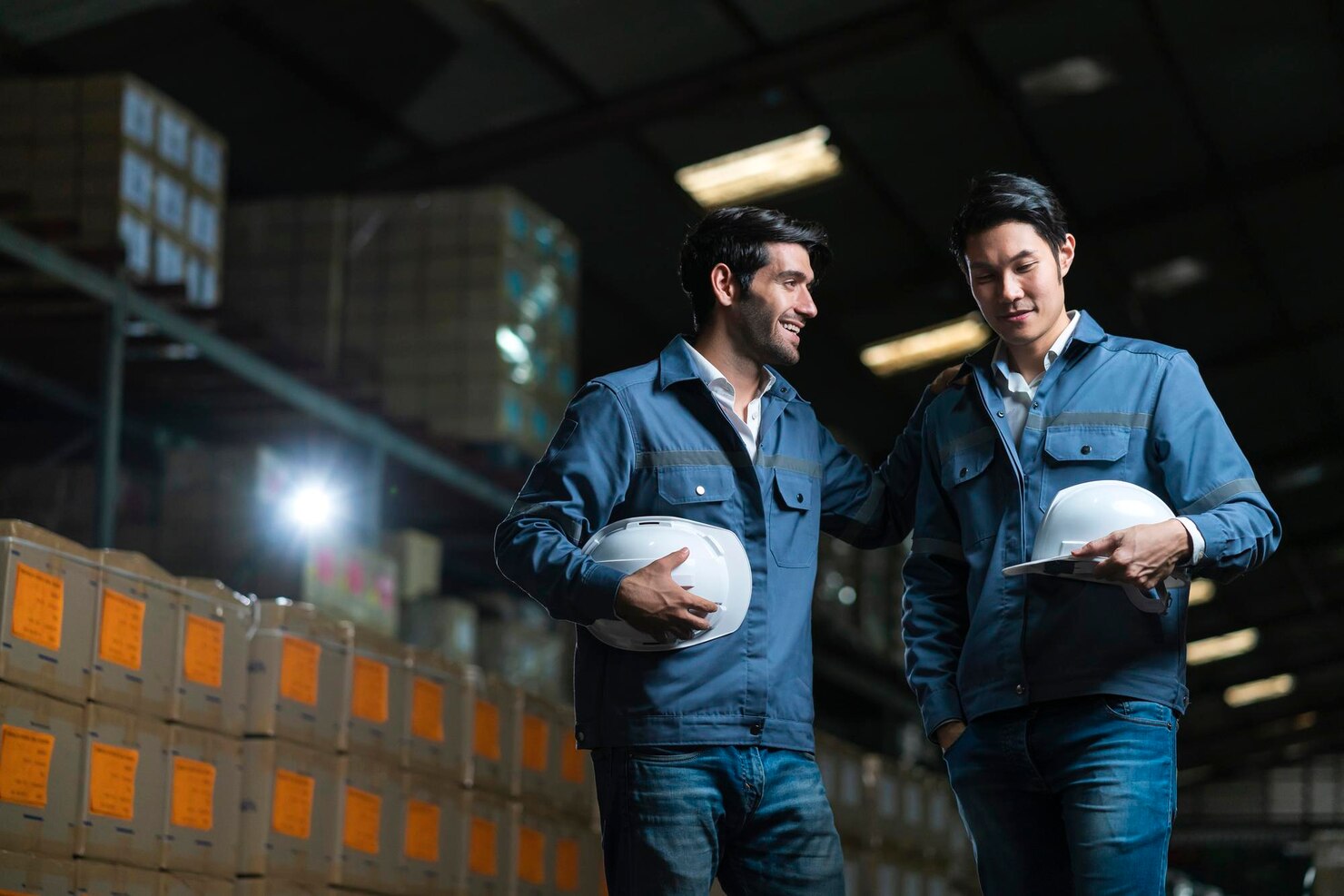
Manufacturing Is Experiencing a Workforce Transformation
The manufacturing industry has always evolved, but today’s changes are happening at an unprecedented pace.
New technologies, reshoring initiatives, supply chain realignment, workforce demographics, and changing employee expectations are redefining how manufacturers recruit, train, and retain talent. Companies that continue to rely on traditional hiring methods are finding it increasingly difficult to attract skilled workers and maintain productivity.
This transformation is not simply about filling open positions. It is about preparing for the future of manufacturing.
So, what is driving these changes, and what do they mean for employers?
1. Reshoring Is Creating New Hiring Opportunities
Over the past few years, many manufacturers have shifted production closer to home to reduce supply chain risks, improve operational resilience, and better serve customers.
As companies expand U.S. manufacturing operations and invest in new facilities, demand for production associates, warehouse employees, machine operators, maintenance technicians, and skilled trades continues to rise.
According to industry research, manufacturers will need to fill millions of positions over the next decade as domestic production expands and experienced employees retire.
For employers, this means competition for qualified workers is becoming more intense than ever.
2. Manufacturing Jobs Have Evolved
Today’s manufacturing facilities look very different from those of twenty years ago.
Modern operations rely on:
✔ Automated production equipment
✔ Robotics
✔ Smart manufacturing technologies
✔ Digital quality control systems
✔ Warehouse management software
✔ Data-driven production monitoring
Employees are no longer expected to perform only repetitive manual tasks. Many roles now require technical knowledge, problem-solving abilities, and the willingness to learn new technologies.
As manufacturing becomes more advanced, hiring managers are placing greater emphasis on adaptability and continuous learning alongside technical skills.
3. Skilled Labor Shortages Continue to Impact Growth
One of the biggest challenges facing manufacturers today is finding enough qualified workers.
Retirements among experienced employees, declining participation in skilled trades, and increasing demand for industrial talent have created a workforce gap that many organizations struggle to fill.
Industry studies estimate that millions of manufacturing jobs will need to be filled over the coming decade, with a significant portion at risk of remaining vacant if workforce development efforts do not keep pace.
Labor shortages affect businesses in many ways:
- Longer hiring cycles
- Increased overtime
- Higher labor costs
- Production delays
- Employee burnout
- Reduced operational flexibility
Building a sustainable talent pipeline has become a business priority rather than simply an HR initiative.
4. Employee Expectations Have Changed
Manufacturing employees today evaluate employers differently than previous generations.
Competitive wages remain important, but candidates are also looking for:
- Safe working environments
- Stable schedules
- Career development opportunities
- Respectful leadership
- Reliable communication
- Work-life balance
Organizations that invest in employee experience are often better positioned to improve retention and reduce turnover.
Recruitment is no longer just about attracting talent. It is equally about keeping it.
5. Technology Is Changing How Companies Hire
Technology is transforming both manufacturing operations and recruiting.
Manufacturers are increasingly using digital tools to:
- Forecast workforce demand
- Track hiring performance
- Improve onboarding
- Reduce administrative tasks
- Support workforce planning
Recruiters are also leveraging technology to identify candidates faster, improve communication, and shorten hiring timelines.
While technology improves efficiency, successful hiring still depends on experienced recruiters who understand both people and the unique demands of industrial workplaces.
6. Workforce Planning Has Become a Competitive Advantage
Hiring after positions become vacant is no longer enough.
Leading manufacturers now plan months ahead by evaluating:
✔ Production forecasts
✔ Customer demand
✔ Seasonal hiring patterns
✔ Retirement projections
✔ Skills gaps
✔ Workforce turnover
Organizations that proactively plan their workforce needs are better equipped to maintain productivity while minimizing hiring disruptions.
7. Safety and Compliance Are More Important Than Ever
Modern manufacturing places a strong emphasis on creating safe and compliant workplaces.
Employers are increasingly seeking candidates who understand workplace safety expectations and can contribute to a strong safety culture from day one.
This includes:
- Safety-focused onboarding
- OSHA awareness
- Proper equipment training
- PPE education
- Ongoing communication
- Continuous safety improvement
A strong safety culture not only protects employees but also improves productivity and operational performance.
8. The Workforce of Tomorrow Will Look Different
The future manufacturing workforce will combine skilled employees with advanced technologies.
Rather than replacing workers, automation is changing the types of roles manufacturers need to fill.
Employees with technical aptitude, adaptability, and continuous learning skills will be increasingly valuable as manufacturing continues to modernize. Companies that invest in workforce development today will be better positioned to compete tomorrow.
What This Means for Employers
Manufacturing is entering a new era.
Success will depend on more than investing in equipment or expanding production capacity.
Organizations must also invest in people by:
- Building long-term talent pipelines
- Strengthening employee retention
- Partnering with specialized staffing firms
- Improving onboarding
- Supporting workforce development
- Creating safe workplaces
- Planning workforce needs proactively
The manufacturers that adapt first will have a significant competitive advantage.
How Alpine Helps
At Alpine Industrial Staffing, we understand that manufacturing hiring is no longer about simply filling vacancies. It is about building a workforce that supports productivity, quality, and long-term business growth.
Our recruiters specialize exclusively in light industrial staffing, helping manufacturers across the United States connect with dependable, pre-screened talent for temporary, Temp-to-Hire, and direct hire positions. Through proactive recruiting, comprehensive candidate screening, flexible workforce solutions, and ongoing workforce support, we help businesses reduce hiring delays and stay prepared for changing workforce demands.
Whether you are expanding operations, addressing skilled labor shortages, or planning for future growth, Alpine provides workforce solutions designed to keep your business moving forward.
Final Thoughts
America’s manufacturing workforce is changing faster than ever before.
Organizations that recognize these changes and adapt their hiring strategies accordingly will be better prepared to navigate labor shortages, embrace new technologies, and remain competitive in an evolving industrial landscape.
The future of manufacturing belongs to companies that invest not only in innovation but also in the people who make that innovation possible.